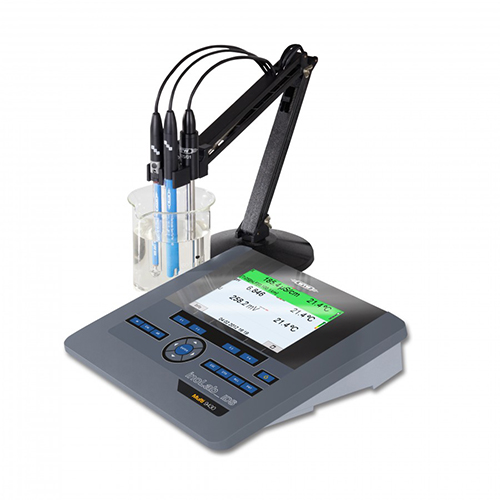
Conductivity Meters

An electrical conductivity meter (EC meter) measures the electrical conductivity in a solution. It is commonly used in hydroponics, aquaculture and freshwater systems to monitor the amount of nutrients, salts or impurities in the water.

Read More

Rotary Evaporators

A rotary evaporator is a device used in chemical laboratories for the efficient and gentle removal of solvents from samples by evaporation. When referenced in the chemistry research literature, description of the use of this technique and equipment may include the phrase “rotary evaporator”, though use is often rather signaled by other language.Rotary evaporators are also used in molecular cooking for the preparation of distillates and extracts.

Read More

Masks

Effective, reliable and economical, It protects against most penetrating solid and liquid aerosol particles, depending on which class of filter isused. The specially selected filter provides excellent effciency and enhanced durability.The cost-effective unit also comes in a special odor-removal version that offer relief from low concentration levels of acid gases.

Read More

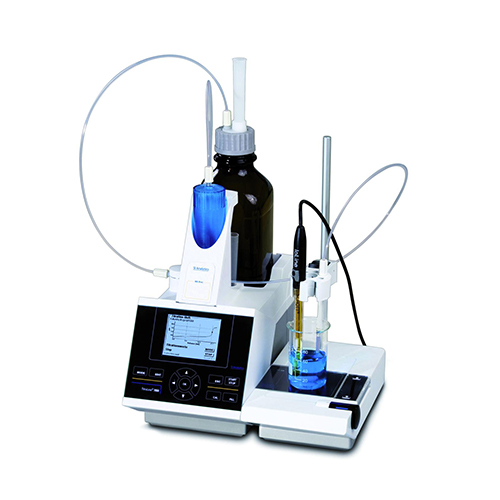
Titration

Titration, also known as titrimetry, is a common laboratory method of quantitative chemical analysis that is used to determine the unknown concentration of an identified analyte. Since volume measurements play a key role in titration, it is also known as volumetric analysis. A reagent, called the titrant or titrator is prepared as a standard solution. A known concentration and volume of titrant reacts with a solution of analyte or titrand to determine concentration. The volume of titrant reacted is called titration volume.

Read More

Refrigerators & Freezers

A refrigerator is a popular household appliance that consists of a thermally insulated compartment and a heat pump (mechanical, electronic or chemical) that transfers heat from the inside of the fridge to its external environment so that the inside of the fridge is cooled to a temperature below the ambient temperature of the room. The lower temperature lowers the reproduction rate of bacteria, so the refrigerator reduces the rate of spoilage. A refrigerator maintains a temperature a few degrees above the freezing point of water. Optimum temperature range for perishable food storage is 3 to 5 °C (37 to 41 °F). A similar device that maintains a temperature below the freezing point of water is called a freezer.

Read More

Climatic Chambers

A climatic chamber or climate chamber, is an enclosure used to test the effects of specified environmental conditions on biological items, industrial products, materials, and electronic devices and components. An environmental test chamber artificially replicates the conditions under which machinery, materials, devices or components might be exposed. It is also used to accelerate the effects of exposure to the environment, sometimes at conditions not actually expected.

Read More

Notice: Undefined variable: params_menutype in /home/krijonal/public_html/wp-content/themes/dp-striped/footer.php on line 145

Notice: Undefined variable: params_menutype in /home/krijonal/public_html/wp-content/themes/dp-striped/footer.php on line 153

Notice: ob_end_flush(): failed to send buffer of zlib output compression (0) in /home/krijonal/public_html/wp-includes/functions.php on line 5277